.png)
Exploring the Benefits of Sclerotherapy for Varicose Veins
- akoszel10
- Jan 14
- 4 min read
Varicose veins affect millions of people worldwide, causing discomfort, swelling, and sometimes more serious health issues. Many seek effective treatments to reduce their appearance and relieve symptoms. Sclerotherapy has become a popular option for managing varicose veins, offering a minimally invasive solution with proven results. This post explores the benefits of sclerotherapy, how it works, and what patients can expect from the treatment.

What Is Sclerotherapy?
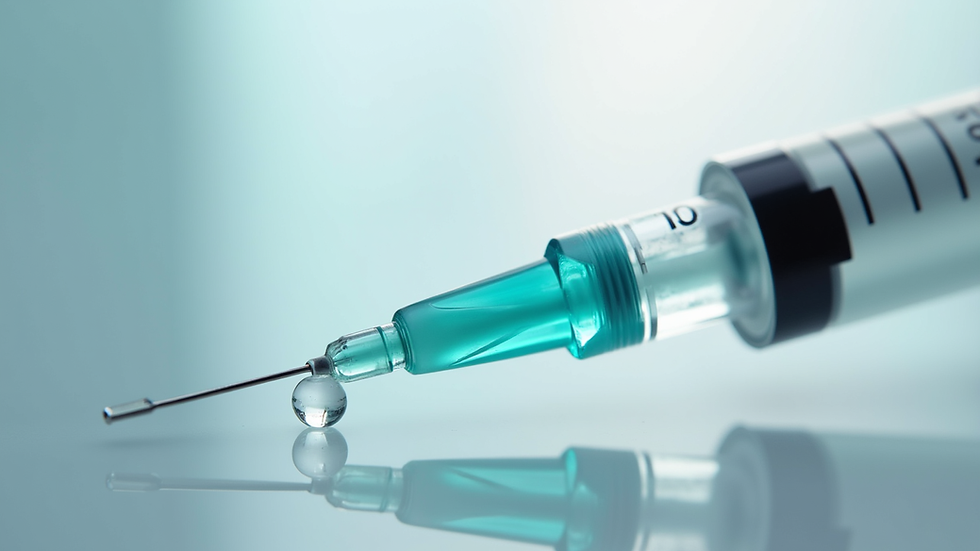
Sclerotherapy is a medical procedure used to treat varicose veins and spider veins. It involves injecting a special solution directly into the affected veins. This solution irritates the lining of the blood vessels, causing them to collapse and stick together. Over time, the treated veins fade as blood flow reroutes through healthier veins.
The procedure is usually performed in a doctor's office and takes about 30 to 45 minutes depending on the number of veins treated. It does not require anesthesia and patients can often return to normal activities shortly after.
How Sclerotherapy Works
The solution used in sclerotherapy is called a sclerosant. Common sclerosants include hypertonic saline, sodium tetradecyl sulfate, and polidocanol. When injected, the sclerosant damages the vein walls, triggering inflammation and closure of the vein.
Once closed, the vein turns into scar tissue and gradually disappears. The body naturally reroutes blood through nearby healthy veins, improving circulation and reducing symptoms caused by varicose veins.
Key Benefits of Sclerotherapy
1. Minimally Invasive Treatment
Sclerotherapy does not require surgery or general anesthesia. The injections are done with fine needles, causing minimal discomfort. This makes it a suitable option for people who want to avoid the risks and recovery time associated with surgery.
2. Effective for Various Vein Sizes
While sclerotherapy is most commonly used for smaller varicose and spider veins, it can also treat larger veins in some cases. Doctors can adjust the concentration and type of sclerosant to target different vein sizes effectively.
3. Quick Procedure with Little Downtime
Most sclerotherapy sessions last less than an hour. Patients can usually resume daily activities immediately, though they may be advised to avoid strenuous exercise for a few days. Wearing compression stockings after treatment helps improve results and reduce swelling.
4. Visible Improvement in Appearance
Many patients see a noticeable reduction in the size and color of varicose veins within weeks. Full results may take several months as the body absorbs the treated veins. This improvement can boost confidence and reduce self-consciousness about visible veins.
5. Relief from Symptoms
Varicose veins often cause aching, heaviness, swelling, and itching. Sclerotherapy can reduce these symptoms by eliminating the faulty veins that cause blood to pool. Patients often report feeling lighter and more comfortable in their legs after treatment.
6. Long-Lasting Results
Once a vein is successfully treated and closed, it usually does not return. However, new varicose veins can develop over time, so ongoing monitoring and additional treatments may be necessary for some individuals.
Who Is a Good Candidate for Sclerotherapy?
Sclerotherapy is suitable for most adults experiencing varicose or spider veins. Ideal candidates:
Have visible veins causing discomfort or cosmetic concerns
Are in good overall health
Do not have active infections or blood clotting disorders
Are not pregnant or breastfeeding
A consultation with a vein specialist can determine if sclerotherapy is the best option based on individual health and vein condition.
What to Expect During and After Treatment
During the procedure, the doctor cleans the skin and injects the sclerosant into the targeted veins. Patients may feel a slight sting or cramp during injection. Multiple injections may be needed depending on the number of veins treated.
After treatment, compression stockings are often recommended to support healing and improve circulation. Mild bruising, redness, or swelling can occur but usually resolves within a few days. Patients should avoid sun exposure on treated areas to prevent darkening of the skin.
Follow-up visits help monitor progress and determine if additional sessions are needed. Most people require two to four treatments spaced several weeks apart for optimal results.
Potential Risks and Side Effects
Sclerotherapy is generally safe, but some side effects can occur:
Temporary bruising or redness
Mild swelling or itching
Small skin sores or discoloration
Rarely, blood clots or allergic reactions
Choosing a qualified healthcare provider reduces the risk of complications. Patients should discuss any concerns before treatment.
Comparing Sclerotherapy to Other Treatments
Other options for varicose veins include laser therapy, radiofrequency ablation, and surgery. Compared to these, sclerotherapy offers:
Less invasiveness
Lower cost
Shorter recovery time
Effective cosmetic and symptom relief for many cases
For larger or more complex veins, doctors may recommend combining treatments for the best outcome.
Practical Tips for Maximizing Sclerotherapy Results
Follow post-treatment instructions carefully, especially wearing compression stockings
Avoid heavy exercise and prolonged standing for a few days
Maintain a healthy weight to reduce pressure on veins
Stay active with gentle walking to promote circulation
Schedule follow-up appointments to track progress
Summary
Sclerotherapy provides a safe, effective way to treat varicose veins with minimal downtime. It improves the appearance of veins, relieves symptoms, and offers long-lasting results for many patients. If varicose veins affect your comfort or confidence, consulting a vein specialist about sclerotherapy could be a valuable step toward healthier legs.

Comments