.png)
Unveiling the Powerful Benefits of Glutathione with Vitamin C for Your Health
- akoszel10
- Feb 21
- 3 min read
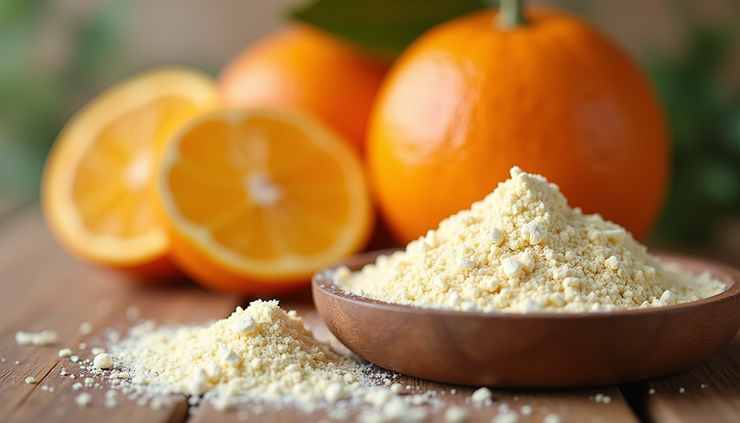
Glutathione and vitamin C are two well-known antioxidants that play crucial roles in maintaining good health. When combined, they offer a range of benefits that support the immune system, skin health, and overall cellular function. This post explores how glutathione with vitamin C works in the body, the advantages of taking them together, and practical ways to include them in your daily routine.
What Is Glutathione and Why Does It Matter?
Glutathione is a powerful antioxidant naturally produced in the body. It consists of three amino acids: cysteine, glutamine, and glycine. Its primary role is to protect cells from oxidative stress caused by free radicals, which are unstable molecules that can damage cells and contribute to aging and disease.
Key functions of glutathione include:
Detoxification: It helps the liver break down and remove toxins and harmful substances.
Immune support: Glutathione enhances the activity of immune cells, helping the body fight infections.
Cell repair: It assists in repairing damaged cells and maintaining cellular health.
Skin health: By reducing oxidative damage, glutathione supports a clearer, brighter complexion.
However, glutathione levels can decline due to aging, poor diet, stress, pollution, and illness. This decline can weaken the body's defenses and accelerate aging.
The Role of Vitamin C in Enhancing Glutathione
Vitamin C, also known as ascorbic acid, is another essential antioxidant that supports many bodily functions. It is water-soluble and must be obtained through diet or supplements. Vitamin C helps regenerate glutathione, keeping it in its active form so it can continue to neutralize free radicals effectively.
Here’s how vitamin C complements glutathione:
Boosts antioxidant power: Vitamin C recycles oxidized glutathione, extending its protective effects.
Supports immune function: It stimulates white blood cells and enhances the skin’s barrier against pathogens.
Promotes collagen production: Vitamin C is vital for collagen synthesis, which maintains skin elasticity and wound healing.
Improves iron absorption: It helps the body absorb non-heme iron from plant sources, preventing anemia.
Together, glutathione and vitamin C create a strong antioxidant network that protects cells and supports overall health.
Health Benefits of Combining Glutathione with Vitamin C
Taking glutathione with vitamin C offers several health benefits that go beyond what either nutrient can provide alone. Here are some of the most notable advantages:
1. Enhanced Immune Defense
Both glutathione and vitamin C strengthen the immune system by supporting the function of immune cells like lymphocytes and macrophages. This combination helps the body respond more effectively to infections and reduces the risk of chronic inflammation.
2. Improved Skin Appearance
Glutathione is known for its skin-brightening effects, often used to reduce hyperpigmentation and dark spots. Vitamin C boosts collagen production and protects skin from UV damage. Together, they promote a radiant complexion and may slow signs of aging such as wrinkles and fine lines.
3. Increased Detoxification
Glutathione plays a central role in liver detoxification pathways, helping to neutralize toxins and heavy metals. Vitamin C supports this process by maintaining glutathione in its active state. This combination can improve liver function and overall detox capacity.
4. Protection Against Oxidative Stress
Oxidative stress contributes to many chronic diseases, including heart disease, diabetes, and neurodegenerative disorders. The antioxidant synergy between glutathione and vitamin C helps neutralize free radicals, reducing cellular damage and supporting long-term health.
5. Support for Energy and Metabolism
Glutathione helps maintain mitochondrial function, the energy-producing centers of cells. Vitamin C supports adrenal health and reduces fatigue. Together, they can improve energy levels and physical performance.
How to Incorporate Glutathione and Vitamin C into Your Routine
To enjoy the benefits of glutathione with vitamin C, consider these practical tips:
Dietary sources: Eat foods rich in vitamin C such as citrus fruits, strawberries, bell peppers, and broccoli. For glutathione, consume sulfur-rich foods like garlic, onions, and cruciferous vegetables (broccoli, cauliflower, kale).
Supplements: Glutathione supplements are available in oral, liposomal, and intravenous forms. Vitamin C supplements come in tablets, powders, and capsules. Liposomal glutathione combined with vitamin C may offer better absorption.
Lifestyle habits: Reduce exposure to toxins like cigarette smoke and pollution. Manage stress through mindfulness or exercise, as stress lowers glutathione levels.
Consult healthcare providers: Before starting supplements, especially if you have health conditions or take medications, seek professional advice.
Potential Considerations and Safety
Glutathione and vitamin C are generally safe when taken within recommended doses. High doses of vitamin C may cause digestive upset in some people. Glutathione supplements are well tolerated but may interact with certain medications.
It is important to remember that supplements support but do not replace a balanced diet and healthy lifestyle. The best results come from combining nutrient-rich foods, regular exercise, and good sleep habits.



Comments