_edited.png)
Pre-menopause how to protect your skin from losing Collagen
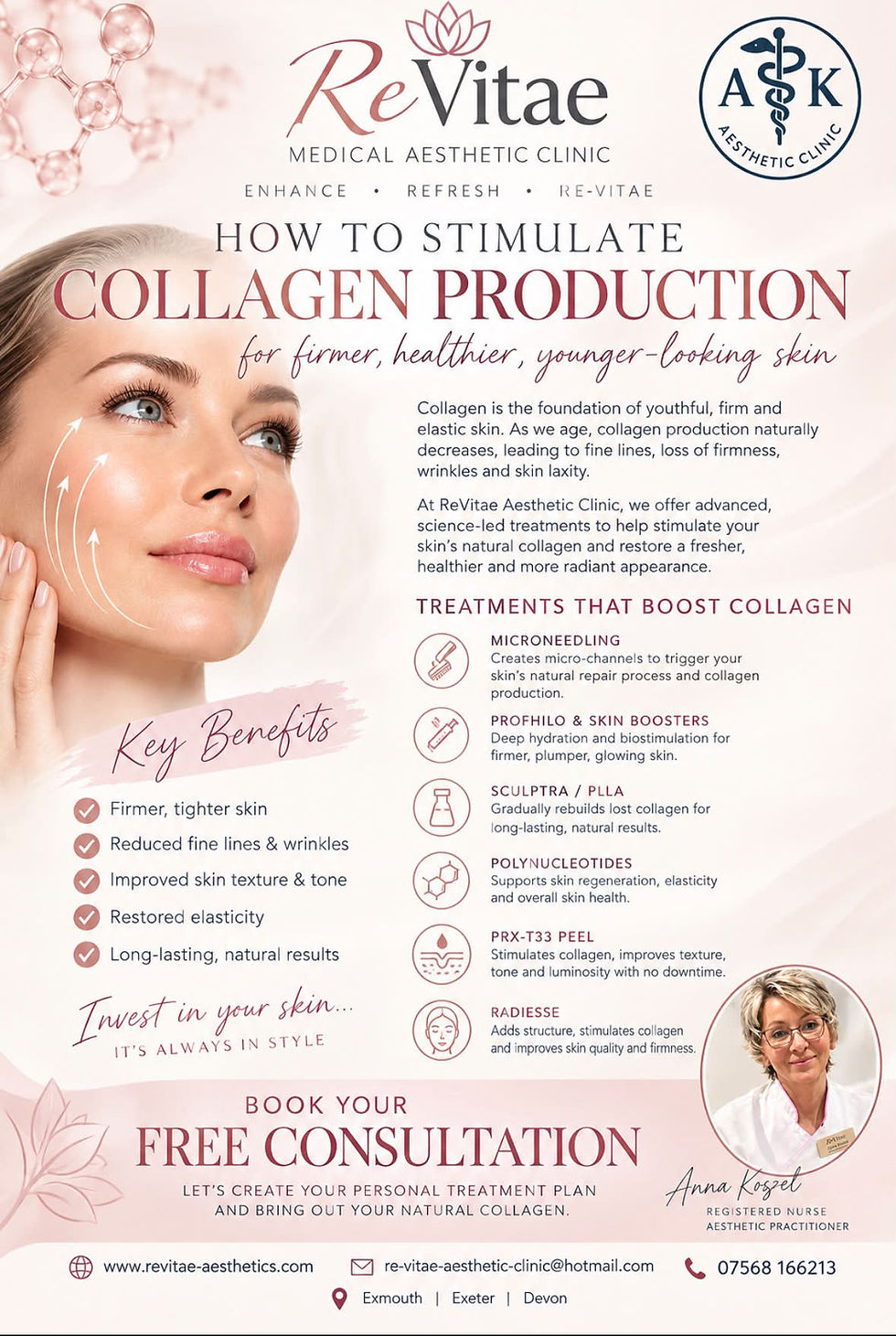
Understanding Pre-Menopause and Collagen Loss
Pre-menopause refers to the transitional phase leading up to menopause, during which a woman's body undergoes various hormonal changes. One significant effect of these changes is the reduction in collagen production.
What is Collagen?
Collagen is a vital protein that provides structure and elasticity to the skin, joints, and other connective tissues. As we age, collagen production naturally declines, but this process can be accelerated during pre-menopause.
Effects of Collagen Loss During Pre-Menopause
Skin Changes: Decreased collagen levels can lead to wrinkles, sagging skin, and a loss of firmness.
Joint Health: Collagen is crucial for joint health; its reduction can result in stiffness and discomfort.
Bone Density: Collagen contributes to bone strength, and its loss may increase the risk of osteoporosis.
Ways to Support Collagen Production
Nutrition: Incorporate foods rich in vitamin C, amino acids, and antioxidants to support collagen synthesis.
Hydration: Staying well-hydrated helps maintain skin elasticity and overall health.
Supplements: Consider collagen supplements, which may help replenish collagen levels in the body.
Skincare: Use products containing retinoids and hyaluronic acid to boost skin collagen and hydration.
Conclusion
Understanding the relationship between pre-menopause and collagen loss can help women take proactive steps to maintain their skin and overall health during this transitional phase.
Ways in aesthetics to support skin in perimenopause time:
Daily SPF (non‑negotiable): Broad‑spectrum SPF 30–50 every day to protect collagen and prevent pigmentation.
Retinoids (retinol/retinal): Builds collagen, improves texture and fine lines (start low/slow; avoid if pregnant/trying to conceive).
Vitamin C (AM): Antioxidant support + brightening; pairs well with SPF.
Barrier support: Ceramides, glycerin, hyaluronic acid, squalane to reduce dryness/sensitivity.
Gentle exfoliation: AHA (lactic/glycolic) for glow/texture or BHA (salicylic) if congested—1–3x/week, not daily.
Pigment control (if needed): Azelaic acid, niacinamide, tranexamic acid for uneven tone/melasma‑type patches.
In‑clinic collagen support: Microneedling (including RF microneedling), polynucleotides/skin boosters, LED red light—chosen based on sensitivity and downtime tolerance.
Hydration/firmness treatments: Skin boosters (HA-based), biostimulators (where appropriate) for laxity and crepey texture.
Targeted lines: Anti‑wrinkle injections for expression lines (forehead/frown/crow’s feet) when suitable.
Texture/pigment resurfacing: Light–medium chemical peels or laser/IPL (especially for sun damage/redness), with careful assessment if prone to pigmentation.

Comments