_edited.png)
Vitamins and Supplements Boosters Benefits for Better Health
A good diet does most of the heavy lifting for health, but real life is rarely perfect. Dark winter mornings, busy weeks, restricted diets, illness recovery, heavy training, and age-related changes can all leave gaps. That is where vitamins and supplement boosters can help, as long as they are used with care.
The best supplements do not replace food. They support a healthy pattern when food alone is not meeting a clear need. Some help top up nutrients. Some support absorption. Others make it easier to meet higher needs during certain life stages.
This article is for general information only. It is not medical advice. If you are pregnant, breastfeeding, taking medication, managing a health condition, or unsure about a supplement, speak with a GP, pharmacist, or registered dietitian.

What vitamin and supplement boosters really do
The word “booster” is often used loosely. In a health context, it usually means a product that aims to support nutrient intake, absorption, or a normal body function.
That can include:
Single vitamins, such as vitamin D, vitamin B12, or folic acid
Minerals, such as iron, magnesium, zinc, iodine, or calcium
Combined multivitamins
Omega-3 oils
Probiotics and prebiotics
Protein powders
Fibre supplements
Electrolyte products
Herbal or botanical supplements
Some are useful for well-defined needs. For example, vitamin D is commonly recommended in the UK during autumn and winter because sunlight is weaker and the body makes less vitamin D through the skin. Folic acid is recommended before and during early pregnancy to support normal foetal development.
Other supplements are more situational. A vegan diet may need vitamin B12. Someone with heavy menstrual bleeding may need iron, but only after checking levels and getting advice. A person who struggles to eat enough protein might use a protein powder as a convenient food supplement.
The key point is simple: a supplement is most useful when it matches a real need.
The main benefits of vitamins and supplement boosters
They can help fill nutritional gaps
Even people who eat fairly well can miss certain nutrients. This does not always mean the diet is “bad”. It may reflect lifestyle, climate, age, appetite, income, culture, or food preferences.
Common examples include:
Low vitamin D intake during darker months
Low vitamin B12 intake in vegan or very low animal-product diets
Low iron intake or low iron stores in some menstruating people
Low iodine intake when dairy and fish are rarely eaten
Low calcium intake when dairy or fortified alternatives are limited
Low fibre intake when wholegrains, pulses, fruit, and vegetables are low
A supplement can act like a nutritional safety net. It cannot copy the full value of food, because food also provides fibre, plant compounds, texture, flavour, and fullness. Still, a targeted supplement can prevent a small gap from becoming a bigger issue.
They support normal immune function
No pill can “supercharge” immunity in a safe or meaningful way. The immune system is complex, and more is not always better. Still, several nutrients help it work normally.
Vitamin C, vitamin D, zinc, selenium, vitamin A, vitamin B6, vitamin B12, folate, copper, and iron all play roles in immune function. If intake is low, topping up can support the body’s normal defences.
This is where marketing can become misleading. Taking large doses does not guarantee fewer colds or faster recovery. A sensible approach works better:
Correct clear deficiencies
Eat enough protein and calories
Sleep well
Stay hydrated
Keep up basic hygiene
Get recommended vaccines when appropriate
Supplements can help one part of the picture. They are not the whole picture.
They can support energy when a deficiency is involved
Many people reach for supplements because they feel tired. Low energy can come from many causes, including poor sleep, stress, low mood, illness, under-eating, low fitness, thyroid issues, anaemia, or medication effects.
Some nutrients are linked to normal energy metabolism, including B vitamins, iron, magnesium, and iodine. If you are low in one of these, correcting the gap may help. For example, iron deficiency can cause tiredness, weakness, shortness of breath, and poor concentration.
That said, supplements are not stimulants by default. A B-complex tablet will not create extra energy if your levels are already fine. Persistent tiredness deserves proper assessment, especially if it is new, severe, or paired with symptoms such as weight loss, dizziness, pain, or breathlessness.

Benefits for bones, muscles, and ageing
Bone health is not only about calcium. The body also needs vitamin D to absorb calcium properly. Protein, magnesium, phosphorus, vitamin K, and regular weight-bearing activity all matter too.
For people who do not get enough calcium from food, a supplement may help. For those with low vitamin D, topping up can support healthy bones and muscles. This becomes more relevant with age, because appetite, digestion, mobility, and time outdoors can change.
Muscle health also deserves attention. Protein needs may rise during recovery from illness, after injury, during strength training, or in later life. Protein powders are not magic, but they can be practical when appetite is low or meals are inconsistent.
Useful options include:
Whey protein
Casein protein
Pea protein
Soya protein
Blended plant proteins
The best choice depends on taste, digestion, allergies, ethics, and how it fits into meals. A shake can be helpful, but Greek-style yoghurt, eggs, beans, lentils, fish, tofu, chicken, nuts, and milk can do the same job through food.
Benefits for specific diets and lifestyles
Different eating patterns create different strengths and gaps. Supplements can make those patterns easier to maintain safely.
Diet or lifestyle | Supplement that may help | Why it may be useful |
Vegan diet | Vitamin B12 | B12 is mainly found in animal-derived foods, unless foods are fortified |
Limited sunlight exposure | Vitamin D | The body makes less vitamin D when skin has little access to sunlight |
Pregnancy planning | Folic acid | Supports normal early foetal development |
Low fish intake | Omega-3 from fish oil or algae oil | Helps increase intake of EPA and DHA fats |
Low dairy intake | Calcium, iodine, or vitamin D if intake is low | Fortified foods may help, but intake varies |
Heavy sweating or endurance sport | Electrolytes | Can help replace sodium and fluid during long or hot sessions |
Low fibre diet | Psyllium or other fibre supplements | Can support bowel regularity when increased slowly |
This table is not a prescription. It shows where supplements commonly fit. The right choice depends on diet, blood tests, medical history, and personal needs.
Gut health, fibre, and probiotic support
Gut health is often oversold, but some basics are clear. The digestive system benefits from enough fibre, fluid, movement, and a varied diet. Fermented foods such as live yoghurt, kefir, kimchi, sauerkraut, and miso can also fit into a healthy diet.
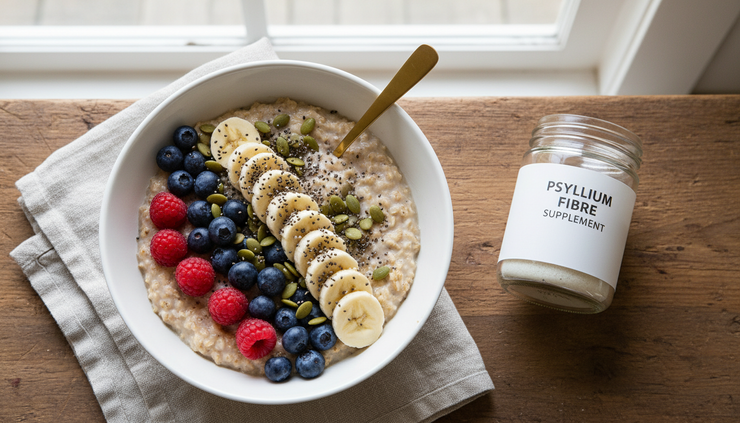
Fibre supplements can be useful when food intake is not enough. Psyllium husk is a common example. It absorbs water and can support regular bowel movements. It should be increased gradually and taken with enough fluid.
Probiotics are more complex. Different strains may have different effects, and not every product suits every person. Some people use probiotics after antibiotics or for digestive comfort, but results vary. People with weakened immune systems or serious illness should check with a clinician before taking them.
A practical gut-support routine is simple:
Add fibre slowly
Drink enough water
Eat a range of plant foods
Include fermented foods if tolerated
Move daily if possible
Keep a regular meal pattern
Supplements can support these habits, but they work best when the basics are already in place.
How to choose supplements safely
The best supplement is not the one with the longest label. It is the one that fits the need, uses a sensible dose, and comes from a reliable source.
Check the dose, not just the ingredient
More is not always better. Fat-soluble vitamins, such as vitamins A, D, E, and K, can build up in the body. Minerals such as iron, zinc, selenium, and iodine can also cause problems in high amounts.
Be especially careful with:
High-dose vitamin A, particularly during pregnancy
Iron, unless deficiency is likely or confirmed
Iodine, especially with thyroid conditions
Selenium, because excess can be harmful
Zinc, because long-term high intake can affect copper levels
Vitamin D mega-doses unless advised by a clinician
A “high strength” label may sound reassuring, but it can be unnecessary. Often, a moderate dose taken consistently is safer.
Watch for medication interactions
Supplements can interact with medicines. St John’s wort, for example, is well known for interacting with many prescribed drugs. Vitamin K can affect blood-thinning medication. Calcium, magnesium, iron, and zinc can reduce absorption of some medicines if taken at the same time.
If you take regular medication, ask a pharmacist before starting a new supplement. This matters even if the product is “natural”.
Look for clear labels and third-party testing
A good product should state the nutrient form, amount per serving, suggested use, allergens, and safety warnings. Sports supplements should be chosen with extra care because contamination can matter for tested athletes.
For general use, choose products from reputable brands that use clear labelling. Avoid products that promise rapid cures, extreme weight loss, hormone changes, or guaranteed disease prevention.
When supplements are most worth considering
Vitamins and supplements boosters benefits for better health are clearest when they meet a specific purpose. Random stacks of tablets are less useful and can become expensive.
Supplements may be worth discussing if you:
Eat a restricted diet
Avoid whole food groups
Spend little time outdoors
Are pregnant, planning pregnancy, or breastfeeding
Have a diagnosed deficiency
Have a condition that affects absorption
Are recovering from illness or surgery
Train hard and struggle to meet nutrition needs
Have low appetite
Are older and eating less than before
Food tracking for a few days can also reveal patterns. You do not need to track forever. A short check can show whether protein, fibre, fruit, vegetables, calcium-rich foods, or oily fish are regularly missing.
Blood tests are useful for some nutrients, such as vitamin D, iron status, vitamin B12, and folate. They are less useful for others. A health professional can guide what is worth checking.
Simple ways to get more benefit from supplements
Small habits can make supplements work better and reduce side effects.
Take vitamin D with a meal that contains some fat. This can support absorption.
Take iron away from tea, coffee, and calcium-rich foods, because they can reduce absorption. Vitamin C-rich foods, such as citrus fruit or peppers, can help iron absorption.
Take magnesium in the evening if it suits your digestion and routine. Some forms may loosen stools.
Introduce fibre supplements slowly. Sudden large increases can cause bloating or cramps.
Keep supplements visible but safe. A kitchen cupboard away from heat and children is usually better than a bathroom, which may be humid.
Review what you take every few months. Needs change with diet, seasons, health, and medication.

What supplements cannot do
Supplements can be helpful, but they have limits. They cannot cancel out poor sleep, heavy drinking, smoking, very low activity, or a diet that is consistently low in whole foods. They also cannot diagnose the reason for symptoms.
Be cautious with claims that a product can:
Cure chronic illness
Detox the body
Replace prescribed medicine
Burn fat without diet or activity changes
Balance hormones for everyone
Prevent all infections
Work instantly for energy, sleep, or mood
The body already has detox systems, mainly the liver, kidneys, lungs, gut, and skin. A healthy diet can support those systems, but “detox” supplements often use vague claims.
A balanced supplement routine for better health
A sensible routine starts with food, then adds targeted support.
Begin with these foundations:
Protein at most meals
Plenty of vegetables and fruit
Wholegrains, beans, lentils, nuts, and seeds
Healthy fats from foods such as olive oil, oily fish, avocado, nuts, or seeds
Enough fluids
Regular movement
Sleep that is as consistent as possible
Then consider what is missing. For many people in the UK, vitamin D during autumn and winter is a common starting point. For vegans, vitamin B12 is usually essential. For people with low fibre intake, a gradual fibre increase may help. For those with diagnosed deficiencies, follow professional advice on dose and duration.
The real benefit of supplements is not in taking more. It is in taking the right thing, for the right reason, at the right dose. When used that way, they can be a useful support for better health without distracting from the habits that matter most.



Comments